Recent damage to water infrastructure in Iran highlights a dangerous and deeply alarming trend: in times of armed conflict, water systems are becoming increasingly exposed to deliberate or indirect destruction. This is not merely a matter of technical disruption or wartime collateral damage. When springs, pumping stations, desalination facilities, power feeders linked to water supply, and rural distribution systems are disabled, the result is immediate harm to civilians, public health, and regional stability. The international community must recognize that attacks affecting water systems can evolve into a form of water terrorism, the intentional or reckless use of water insecurity as a weapon against populations.
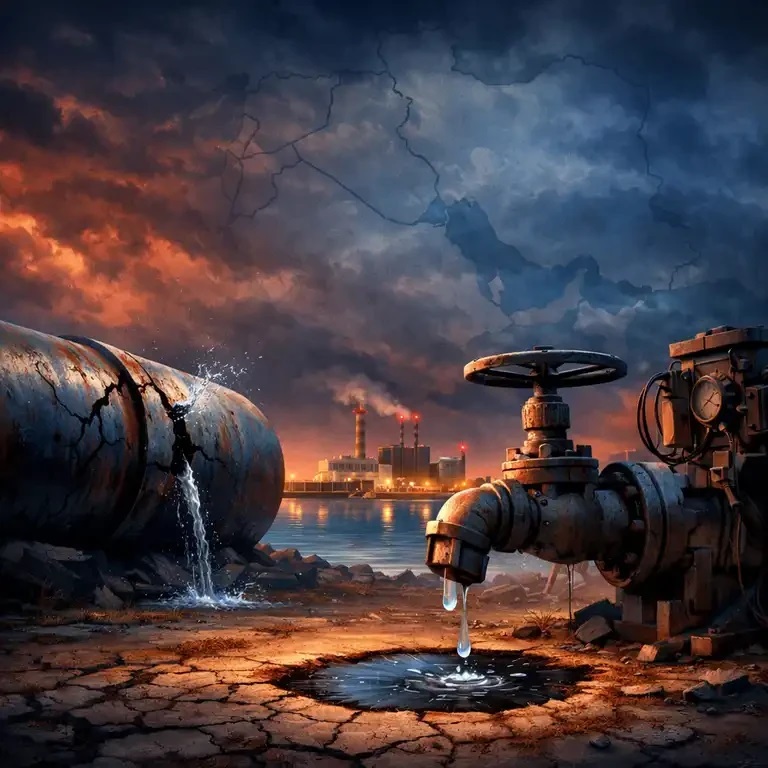
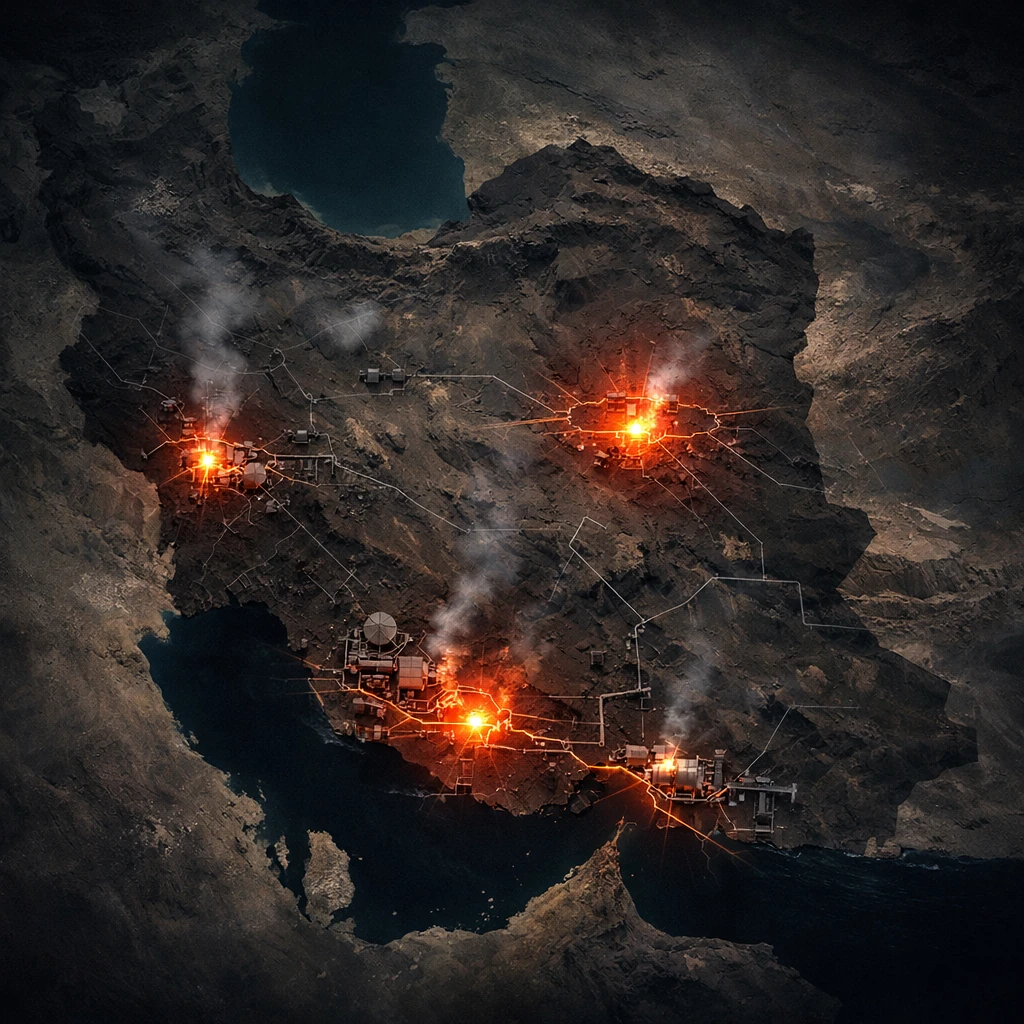
Evidence in Iran shows the seriousness of this risk. In Khorramabad, Lorestan, the destruction of the Golestan spring and pumping station, with a discharge of 400 liters per second, disrupted water supply to the southern part of the city, affecting a population of approximately 130,000 people. The same report notes that power outages in key feeders also interrupted operations at several pumping stations, including Motahari 1 and 2, Jalal Al Ahmad, and Valiasr. Emergency responses, including the use of substitute wells and plans for an emergency pumping station, prevented a wider humanitarian breakdown, but the fragility of the system was clearly exposed. In Hormozgan, the destruction of the MAPNA combined-cycle steam power plant and desalination unit, with a desalination capacity of 11,000 cubic meters per day, affected water supply for around 30,000 people. Compensatory measures such as alternative desalination sources, tanker supply, and emergency pipeline works were required to avoid severe shortages. The report also shows that in rural areas of Chegeni, some villages are now dependent on mobile water supply, illustrating how quickly local communities can become vulnerable when infrastructure projects are delayed or interrupted by crisis conditions.
These are not isolated technical incidents. They illustrate a broader strategic threat: when water infrastructure is damaged in a volatile region already facing climate stress, drought, sanctions pressure, displacement, and political instability, the consequences extend far beyond one city or province. Water insecurity can intensify social unrest, trigger public health emergencies, increase forced migration, and heighten distrust among neighboring states. In such an environment, any recurring or intentional targeting of water systems or even military actions carried out with clear disregard for their downstream effects, creates the conditions for what may fairly be described as
For this reason, international organizations, including the United Nations, UNESCO, UNICEF, UNDP, the World Health Organization, and relevant humanitarian and human rights bodies, must move beyond general expressions of concern. They should explicitly classify the protection of water infrastructure as a non-negotiable humanitarian priority in conflict zones. Independent monitoring mechanisms are needed to document attacks on water facilities, assess civilian impact, and establish accountability under international humanitarian law. Attacks on facilities essential for drinking water supply, sanitation, and public health should be treated with the same seriousness as attacks on hospitals or power systems serving civilians.
The Middle East cannot afford a future in which water is transformed from a shared resource into a weapon of pressure, punishment, or fear. Water systems are the backbone of human security. Their destruction threatens not only access to drinking water, but also food systems, healthcare delivery, social order, and the possibility of peace itself. The Iranian Water Diplomacy Association therefore urges international institutions, regional organizations, and global civil society to treat this issue as an urgent warning: if the world remains silent while water infrastructure is repeatedly put at risk, the region may enter a new era of organized water terror with devastating humanitarian and geopolitical consequences.